Skip to content
Navigating the global supply chain to find a reliable composite decking manufacturer often feels like a gamble where the stakes are your reputation and your profit margins. Many procurement managers face the frustration of "golden samples" that never match the bulk delivery, leading to downstream contractor complaints and expensive returns. I have spent years on the factory floor and in the boardroom, seeing exactly how distributors lose money by trusting superficial marketing instead of operational audits.
To find a reliable composite decking manufacturer, you must evaluate four technical pillars: batch-to-batch consistency (verified by Delta E standards), landed cost transparency inclusive of accessories, a production clock that triggers only after signed technical specifications, and a warranty linked to traceable batch numbers and installation compliance.
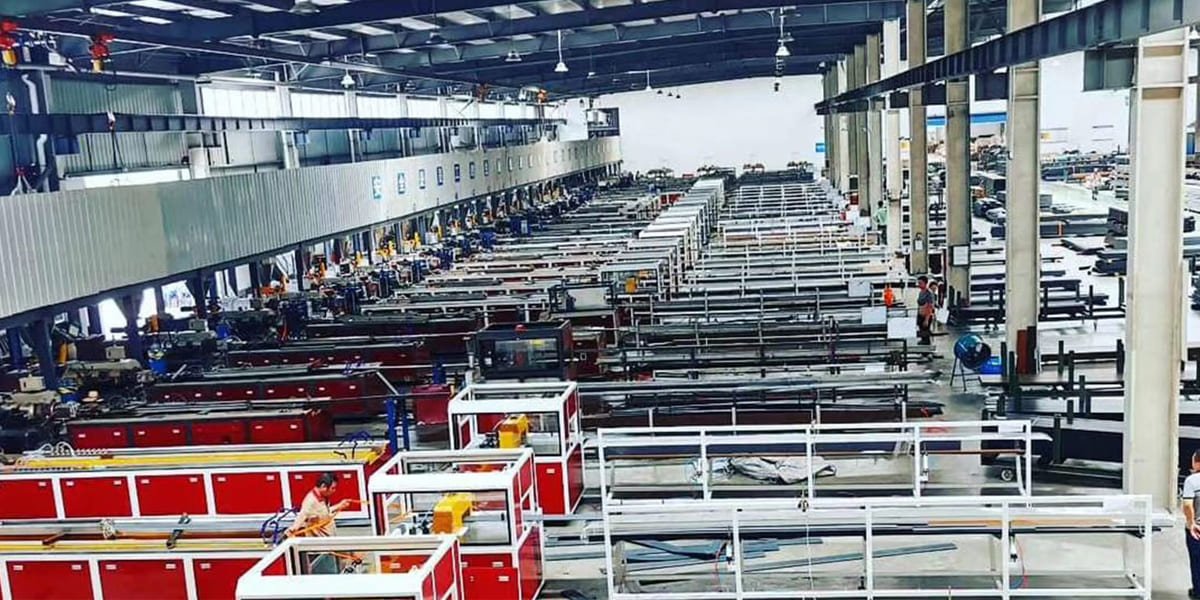
If you are tired of generic supplier promises and want to understand the actual mechanics of wood-plastic composite (WPC) production, you need to look beyond the brochure. The following deep dive exposes the industry "red flags" and provides a blueprint for auditing your next manufacturing partner.
Why is batch consistency the true measure of a composite decking manufacturer?
Maintaining a stable product across hundreds of containers is the hardest task in WPC manufacturing. When you evaluate a composite decking manufacturer, you aren't just buying boards; you are buying their ability to control raw material variables over time.
A reliable manufacturer proves their worth by maintaining strict color and dimension tolerances between different production runs. They should offer a clear Delta E color-tolerance standard and retain physical batch samples from every order, ensuring that a distributor's replenishment stock always matches their current inventory.
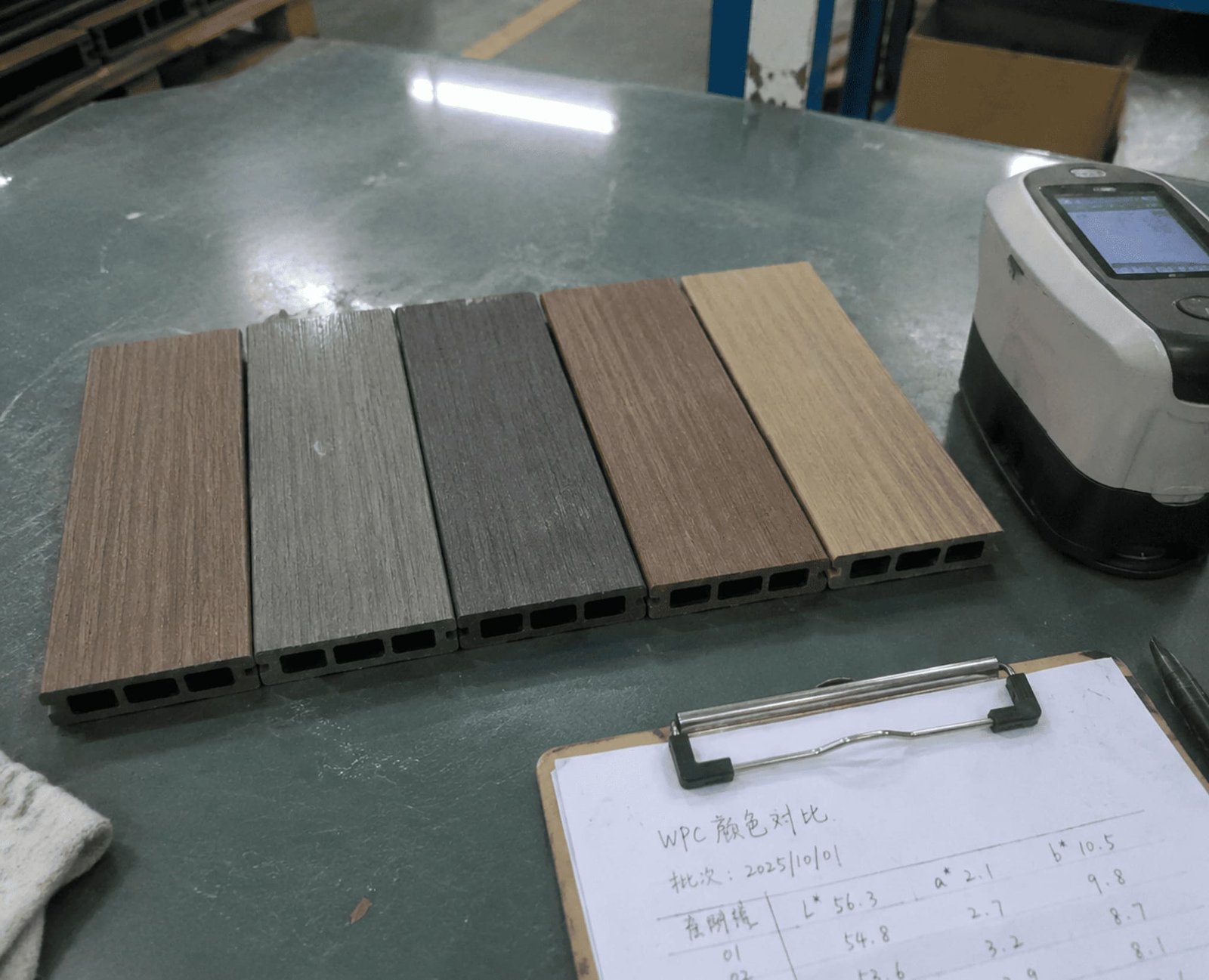
The "Golden Sample" Trap vs. Real-World Extrusion
In my experience, any factory can produce a flawless 30cm hand sample for a trade show. The real challenge is the extrusion process. Wood-plastic composite is a sensitive mix of recycled HDPE, wood fiber, and chemical additives. If the composite decking manufacturer does not strictly monitor the moisture content of the wood fiber or the melt flow index of the recycled plastic, the boards will warp or change color mid-production.[^1]
Auditing the Polymer-to-Wood Ratio
A common cost-cutting tactic involves increasing the wood fiber ratio or using low-grade calcium carbonate fillers. While this lowers the FOB price, it creates a brittle board prone to moisture absorption.[^2]
- The Insider Ask: Ask for the factory's internal QC reports on density and water absorption.[^3]
- The Stability Check: Request a report on their extrusion temperature variation logs. If the temperature fluctuates more than a few degrees, the internal structure of the WPC will be inconsistent.
Implementing Delta E Standards
Color variation is the number one cause of B2B disputes. I always recommend that buyers ask for the Delta E (ΔE) threshold. This is a mathematical measure of the difference between two colors. A professional composite decking manufacturer should target a ΔE of less than 1.5 to 2.0.[^4] If they cannot define their color tolerance, you are effectively buying "approximate" colors, which is a nightmare for building material dealers who need to mix batches on a job site.
How does landed cost change your evaluation of a composite decking manufacturer?
Comparing FOB prices is a rookie mistake that ignores the complexities of international logistics and system compatibility. A low board price often masks high "hidden" costs that destroy a distributor's margin once the container reaches the local warehouse.[^5]
A reliable manufacturer helps you calculate the total landed cost, including specific HS code duties, freight optimization, and accessory compatibility. They recognize that a cheap board requiring expensive, proprietary clips or specialized joists is often more costly than a premium-priced complete system.
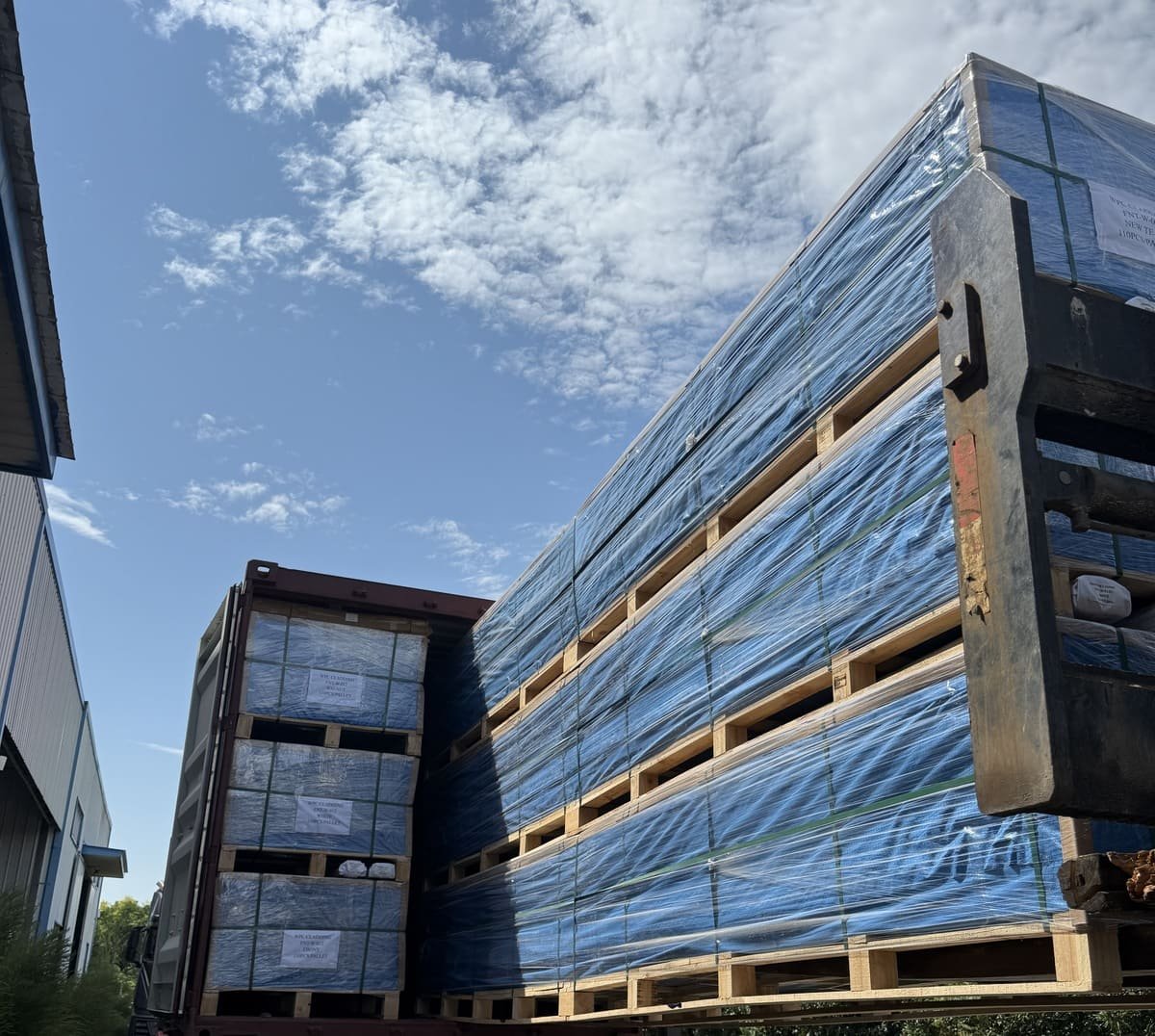
Deconstructing the FOB vs. Landed Price
When I talk to procurement managers in the UK or France, we often discuss the "System Cost." If you buy a board from one composite decking manufacturer and clips from another, you risk a 15% failure rate due to thermal expansion mismatches.
- Freight Configurations: Can the factory load 1,000 m² efficiently in a 40-foot container?
- Tariffs and Duties: Does the manufacturer provide the correct HS codes to ensure you aren't hit with unexpected anti-dumping duties or misclassification penalties?[^6]
The Accessory Compatibility Margin-Killer
Many importers focus so hard on the per-meter price of the decking that they forget the clips, screws, and joists. I’ve seen projects stalled for weeks because the clips supplied by a third party didn't fit the groove of the composite board. A reliable manufacturer produces or sources accessories that are tested specifically for their boards' expansion coefficients.[^7]
| Cost Component | FOB Focus (Common) | Landed Cost Focus (Strategic) |
|---|---|---|
| Decking Board | $3.50 / linear meter | $3.50 + $0.80 (Freight) + $0.35 (Duty) |
| Fixing Clips | Ignored | $0.20 per clip (Matched to board) |
| Warranty Risk | Not factored | 2% reserve for batch claims |
| Lead Time Cost | Not factored | Cost of stockouts due to delays |
Technical Competence as a Cost Saver
A reliable partner provides more than just a price list. They provide CAD files for your installers, load-span tables for engineering approval, and Intertek/CE test reports that match the specific model you are buying. This technical support prevents costly project rejections and reduces the time your team spends answering technical questions from contractors.
When does the production clock actually start for a composite decking manufacturer?
The most common lie in the industry is the "18-day lead time." In reality, lead times are fluid and depend entirely on when the factory's "Production Clock" is officially triggered.
Reliable lead times are based on a structured workflow, not an estimated guess. For a professional composite decking manufacturer, the production clock only starts once two conditions are met: the 30% deposit has cleared and the buyer has signed a final production confirmation sheet that "freezes" all technical specifications.[^8]
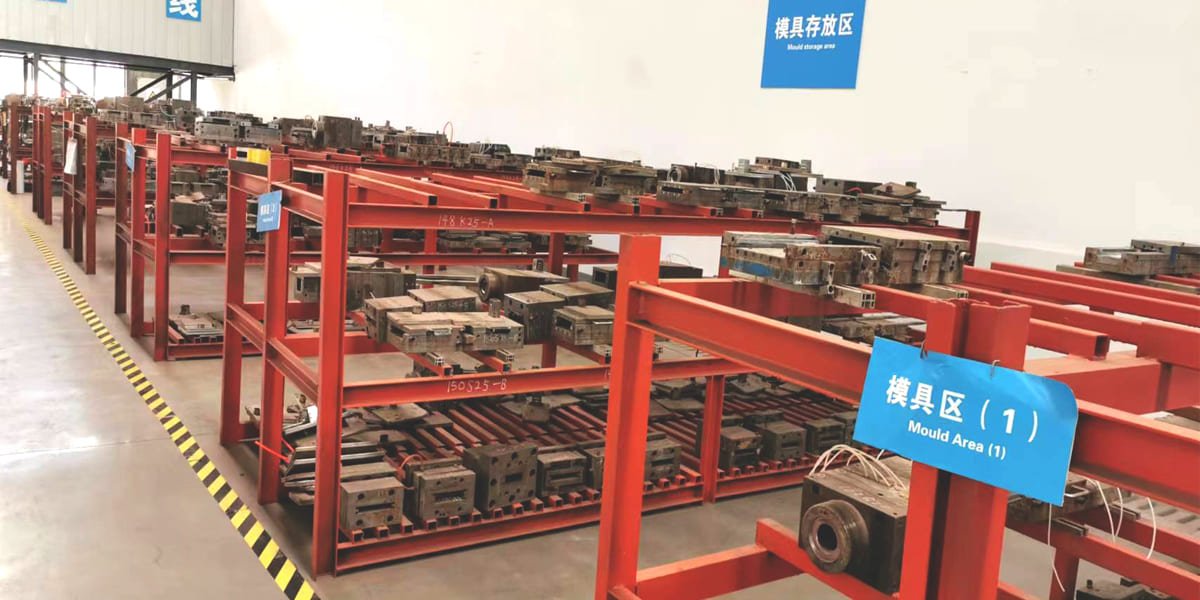
The Difference Between Capacity and Queue
If a factory tells you they have a 20,000-square-meter monthly capacity, that doesn't mean your order is next. A reliable composite decking manufacturer will be transparent about their current queue. During peak seasons (typically spring for European and North American markets), a "18-day lead time" can quickly turn into 40 days if the raw materials aren't pre-staged.
The "Specification Freeze" Process
I cannot stress enough how important the "Production Confirmation Sheet" is. This document should include:
- Model and Groove Pattern: Confirming the exact side profile.
- Color Batch Reference: Linking the order to a previous batch or a physical sample.
- Packaging/Labeling: Ensuring neutral or custom branding and required CE/UKCA marks.
- Quantity/Lengths: Confirming the exact mix of 2.2m, 3.6m, or 4.8m boards.
Managing Logistics Milestones
Once production begins, a reliable partner provides updates. For a standard 40-foot container, the process usually takes 16–18 days to reach factory readiness. However, if the manufacturer doesn't have a dedicated logistics coordinator, the boards might sit in the warehouse for another week waiting for a vessel. I always advise my clients to look for manufacturers who have established relationships with forwarders to ensure a smooth transition from the factory gate to the port.
How should you audit a warranty from a composite decking manufacturer?
A "10-year warranty" logo on a website is marketing, not protection. To find a truly reliable composite decking manufacturer, you must audit their written warranty terms and their systemic approach to claims.
A credible warranty is a category-specific document that links the product's performance to traceable batch numbers and strict installation guidelines. A reliable composite decking manufacturer provides a clear protocol for claim resolution, requiring photographic evidence and batch-order tracking to identify the root cause of any failure.
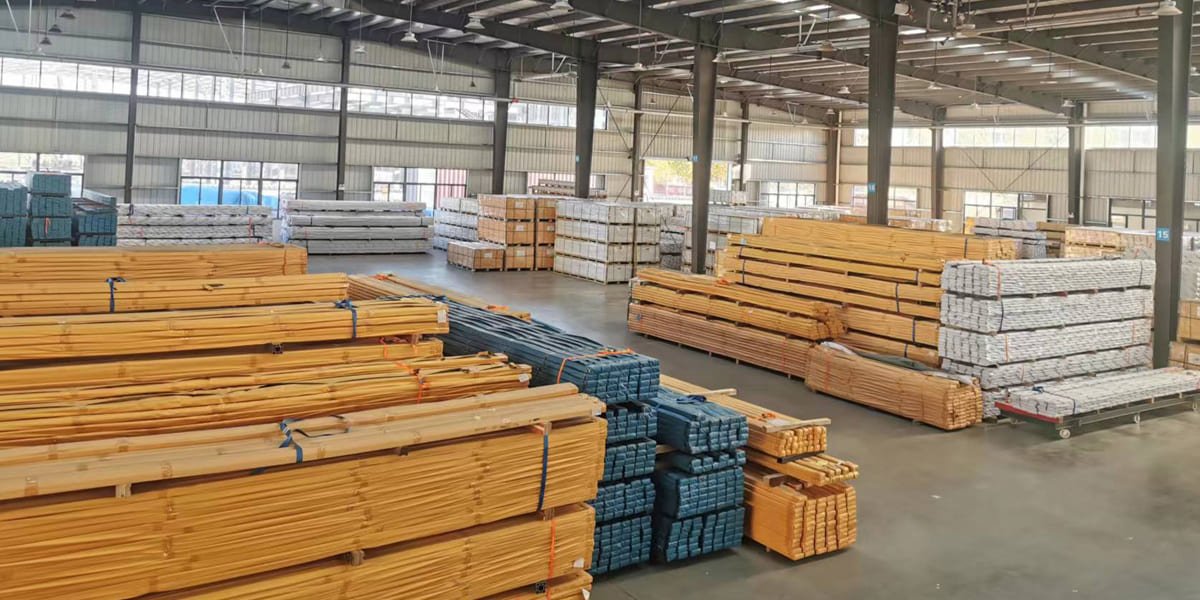
The Importance of Batch Tracing
If a board warps two years after installation, a reliable factory doesn't just send a generic apology. They look up the batch number (usually printed on the side of the board or the packaging). This allows the QC team to check the production logs for that specific day, looking for temperature spikes or raw material shifts.[^9] If a composite decking manufacturer doesn't have a batch-tracing system, their warranty is effectively unenforceable.
Analyzing Warranty Exclusions
Read the fine print. Most WPC failures are caused by improper installation—specifically, insufficient spacing for thermal expansion or poor drainage.[^10] A reliable supplier will:
- Include Installation Guides: Provide clear instructions on joist spacing and gap requirements.
- Define Limits: Clearly state what is covered (e.g., structural integrity) versus what is not (e.g., minor fading or scratches).
- Clarify Remedies: State whether the warranty covers only the replacement boards or if it includes labor and inland freight (most factory warranties exclude labor).
Verifying Certifications (ISO/CE/FSC)
Certifications are documents that buyers must verify, not just collect. An ISO 9001 certificate proves the manufacturer has a quality management system, but it doesn't prove the decking is good.[^11] You need to check the Intertek or SGS test reports for the specific model you are buying. Ensure the company name on the test report matches the entity on your Proforma Invoice. This level of due diligence is what separates professional distributors from those who get stuck with substandard materials.
Frequently Asked Questions
What is the standard MOQ for a reliable composite decking manufacturer?
Most manufacturers do not have a "one-size-fits-all" MOQ. While a 20-foot or 40-foot container is the most economical for shipping, viability depends on the specific model and color. At Veejoy, we evaluate viability based on setup costs and material requirements, often accommodating smaller B2B orders for existing stock models.
How do I check if the manufacturer's CE or FSC certifications are valid?
Never take a PDF at face value. Check the certificate number on the official FSC database or the issuing body's website (like Intertek or SGS). Ensure the "Scope of Certification" actually covers wood-plastic composites and that the certificate hasn't expired.[^12]
Can a manufacturer customize the color or profile for my brand?
Yes, for projects typically above 1,000 m², a professional composite decking manufacturer can offer OEM/ODM services. This involves creating custom molds and developing specific color pigments. Be prepared to pay for the mold fee upfront, which is sometimes refundable after a certain volume is reached.
What are the standard payment terms for B2B WPC orders?
The industry standard is a 30% deposit to start production, with the remaining 70% paid against a copy of the Bill of Lading (B/L). Only after the balance is cleared does the manufacturer release the original documents or a telex release for the cargo.
Conclusion
Finding a reliable composite decking manufacturer requires a shift in perspective. You must stop looking for the lowest price and start looking for the highest level of operational consistency. By auditing batch-to-batch color stability (Delta E), calculating true landed costs, understanding the "Production Clock," and verifying batch-linked warranties, you protect your business from the risks of poor manufacturing.
A reliable partner like Veejoy Outdoor focuses on these technical details so that you can focus on growing your sales. We provide the documentation, the consistent extrusion quality, and the logistics support needed to serve demanding European and North American markets.
If you are looking for a transparent, B2B-focused partner to scale your WPC business, contact us today at info@veejoyoutdoor.com to discuss your specific project requirements.
[^1]: "Wood Plastic Composite Based on Recycled High-Density ...", https://pmc.ncbi.nlm.nih.gov/articles/PMC11598022/. Studies of wood–plastic composite extrusion identify wood-filler moisture and polymer rheology as processing variables that can affect product properties; that evidence does not, by itself, establish that either variable causes every instance of warping or color change. Evidence role: mechanism; source type: paper. Supports: Research should establish how wood moisture and polymer flow properties affect extrusion and finished-board properties.. Scope note: The source may support processing sensitivity without directly documenting the specific defects asserted here.
[^2]: "Influence of moisture absorption on mechanical properties of ...", https://research.fs.usda.gov/treesearch/8779. Experimental WPC studies report that filler composition and loading can alter water absorption and mechanical properties; these findings do not establish that every higher-filler formulation is brittle or that it has a lower FOB price. Evidence role: mechanism; source type: paper. Supports: Controlled studies should show how filler loading affects water uptake and mechanical performance in WPC formulations.. Scope note: Formulation-specific results cannot verify the article’s general claim about cost-cutting practices.
[^3]: "3D Scanning of Wood–Plastic Composite Decking After Cyclic ...", https://pmc.ncbi.nlm.nih.gov/articles/PMC11722040/. WPC performance research assesses physical properties, including density and moisture uptake, when comparing formulations; internal QC reports are useful only if their methods, sampling, and acceptance limits are specified. Evidence role: general_support; source type: research. Supports: WPC testing literature or standards should identify water uptake and physical properties as relevant to decking performance.. Scope note: A relevant measurement does not independently establish that a factory controls production consistently.
[^4]: "Considerations in the weathering of wood-plastic composites", https://research.fs.usda.gov/treesearch/27307. CIE color-difference methods provide a quantitative way to compare measured colors; they do not prescribe a universal ΔE acceptance limit of 1.5–2.0 for composite decking. Evidence role: definition; source type: research. Supports: Color-science references should define Delta E and explain how perceptibility and tolerances depend on measurement method and conditions.. Scope note: A source defining Delta E cannot validate the proposed numerical procurement threshold.
[^5]: "Know Your Incoterms", https://www.trade.gov/know-your-incoterms. Incoterms guidance allocates costs and responsibilities under FOB separately from later transport and import obligations, supporting a landed-cost comparison; it does not show that any particular quotation would eliminate a distributor’s margin. Evidence role: general_support; source type: institution. Supports: Incoterms guidance should distinguish an FOB price from freight, import clearance, and other destination costs.. Scope note: The margin impact requires transaction-specific prices, duties, and logistics costs.
[^6]: "Harmonized System (HS) Codes", https://www.trade.gov/harmonized-system-hs-codes. Customs authorities use tariff classification to determine applicable duties, while anti-dumping measures depend on the defined product and origin; a supplier-provided code alone does not guarantee the importer’s classification or duty outcome. Evidence role: general_support; source type: government. Supports: Customs guidance should explain how classification affects duty assessment and how trade-remedy measures depend on product scope and origin.. Scope note: Applicability of any anti-dumping duty or penalty must be checked for the specific shipment and jurisdiction.
[^7]: "Thermal expansion behavior of co-extruded wood-plastic ...", https://bioresources.cnr.ncsu.edu/resources/thermal-expansion-behavior-of-co-extruded-wood-plastic-composites-with-glass-fiber-reinforced-shells/. Measurements of WPC thermal expansion support allowing for board movement when designing fastening and spacing details; they do not verify that a particular manufacturer’s accessories have been tested or are compatible. Evidence role: mechanism; source type: paper. Supports: Materials research should document thermal expansion in WPC boards and its implications for restrained installation.. Scope note: Accessory compatibility requires product-specific dimensions and test evidence.
[^8]: "Lead time", https://en.wikipedia.org/wiki/Lead_time. Quality-management principles support confirming product requirements and controlling specification changes before manufacture; they do not establish a universal 30% deposit or a standard date on which every decking factory’s lead-time clock begins. Evidence role: general_support; source type: institution. Supports: Quality-management guidance should support reviewing agreed product requirements and controlling changes before and during production.. Scope note: Payment and scheduling triggers are contractual and must be verified with the individual supplier.
[^9]: "New ISO standards bring clarity to chain of custody", https://www.iso.org/contents/news/2026/03/new-iso-standards-bring-clarity.html. Manufacturing traceability systems can link a marked lot to its production and material records, enabling a targeted investigation; those records alone cannot establish whether manufacture, installation, or service conditions caused a failure. Evidence role: mechanism; source type: institution. Supports: Traceability guidance should describe how lot identification links products to production and material records.. Scope note: The value of tracing depends on the manufacturer’s actual record retention and the granularity of its lot identifiers.
[^10]: "WPC Decking Installation: 8 Critical Details for Better ...", https://newtechwpc.com/wpc-decking-installation-secrets-guide/. Research on WPC movement and moisture exposure provides a basis for specifying expansion gaps and drainage; it does not establish that installation errors account for most WPC failures. Evidence role: mechanism; source type: paper. Supports: Research should explain how restricted thermal movement or prolonged moisture exposure can contribute to decking problems.. Scope note: The prevalence claim requires representative field-failure data and should not be inferred from mechanisms alone.
[^11]: "ISO 9000 family", https://en.wikipedia.org/wiki/ISO_9000_family. ISO describes ISO 9001 as setting requirements for a quality management system, not as certifying the performance of a particular decking board; the certificate’s scope and current validity still require verification. Evidence role: definition; source type: institution. Supports: ISO guidance should identify ISO 9001 as a quality-management-system standard rather than a product-performance certification.. Scope note: Certification does not replace model-specific product testing.
[^12]: "Group Chain of Custody (CoC) FSC Certification Manual", https://cfwc.mgcafe.uky.edu/sites/cfwc.ca.uky.edu/files/cfwc_coc_group_certification_manual_revised_2_16_2018_0.pdf. FSC’s certificate records allow buyers to check a certificate’s status and scope; an active certificate alone does not demonstrate that a particular WPC decking item carries a valid FSC claim. Evidence role: general_support; source type: institution. Supports: Official FSC guidance should explain how to check certificate status, holder, and covered product groups.. Scope note: Product-level claims require checking the applicable scope and transaction documentation, not merely the certificate number.